
The 6 most common misconceptions about recycling
There are many misconceptions surrounding recycling regulations and legislation. This applies to companies involved in producing, transporting and processing plastics, as well as organizations across the recycling value chain. In conversations with organizations, Kiwa regularly hears the same questions and assumptions. Below, we outline several common misconceptions seen in practice.
Misconception 1: We can wait until the new regulations officially take effect
Around new legislation and regulations, such as the European WSR (Waste Shipment Regulation, Dutch: EVOA), Kiwa experts often see a wait and see attitude. This is understandable, because the practical implementation and enforcement may differ from country to country. It is now clear that waste materials listed on the green list have received a postponement for the use of DIWASS until 1 January 2027 and that the existing Annex VII process will continue to apply.
In practice, however, this also means that preparations sometimes start too late. Certain obligations, such as audits, documentation and coordination with value chain partners, require time to implement properly.
Misconception 2: Operation Clean Sweep Only applies to waste processors
Among companies producing and processing plastics, there is sometimes an assumption that Operation Clean Sweep is mainly intended for waste processors or recyclers. This is incorrect. In practice, the scheme broadly focuses on preventing pellet loss during production, processing, storage and transportation.
Operation Clean Sweep (OCS) is an international sustainability program for the plastics industry aimed at preventing the loss of plastic pellets, powders and flakes into the environment. OCS helps companies work according to the principle of ‘zero pellet loss’ through practical guidelines, training and awareness. Participation in OCS demonstrates that an organization actively contributes to environmental protection, complies with increasing legislation and regulations and takes responsibility within the value chain.
Operation Clean Sweep therefore applies to different parts of the plastics value chain, including producers, processors and logistics companies.
Misconception 3: WEEELABEX is only relevant for large companies
A common assumption is that WEEELABEX only applies to large organizations. However, even small companies are affected once they perform activities involving discarded electrical and electronic equipment.
The regulations have existed for some time, but stricter enforcement is now bringing WEEELABEX to the attention of a broader group of organizations.
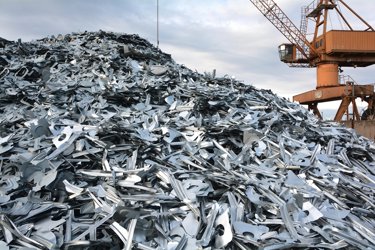
Misconception 4: End of Waste is one general certificate
End of Waste is sometimes seen as one general certificate that applies to all materials. In reality, End of Waste is based on specific European regulations for each type of material.
For iron, steel and aluminum, Regulation 333/2011 applies. For copper, Regulation 715/2013 applies. Certification only applies to the materials that are actually processed. For example, if you only work with steel, certification only applies to steel.
Misconception 5: End of Waste material testing is about product value
Around End of Waste, there is sometimes an assumption that testing mainly focuses on the value or metal percentage of a product. In practice, these material tests focus on the level of contamination.
The material is checked for unwanted materials, such as wood, plastics or insulation materials. For iron and steel, the maximum contamination level is 2 percent. For aluminum, the maximum is 5 percent.
Misconception 6: Permits apply to the entire company
Permits are sometimes viewed as something that applies to an entire organization. In practice, however, permits are linked to specific activities.
The required permit depends on the activities performed and the associated risks. For example, in metal collection activities, storage may need to take place on a liquid tight surface in order to reduce risks to soil and water.
What does this mean for your organization?
These misconceptions show that recycling legislation and regulations affect different parts of the value chain. Which rules apply to your organization depends on your activities, materials and role in the process.
Our experts recommend gaining timely insight into what applies to your organization. This helps prevent surprises and supports taking targeted steps toward compliance and certification.